Description
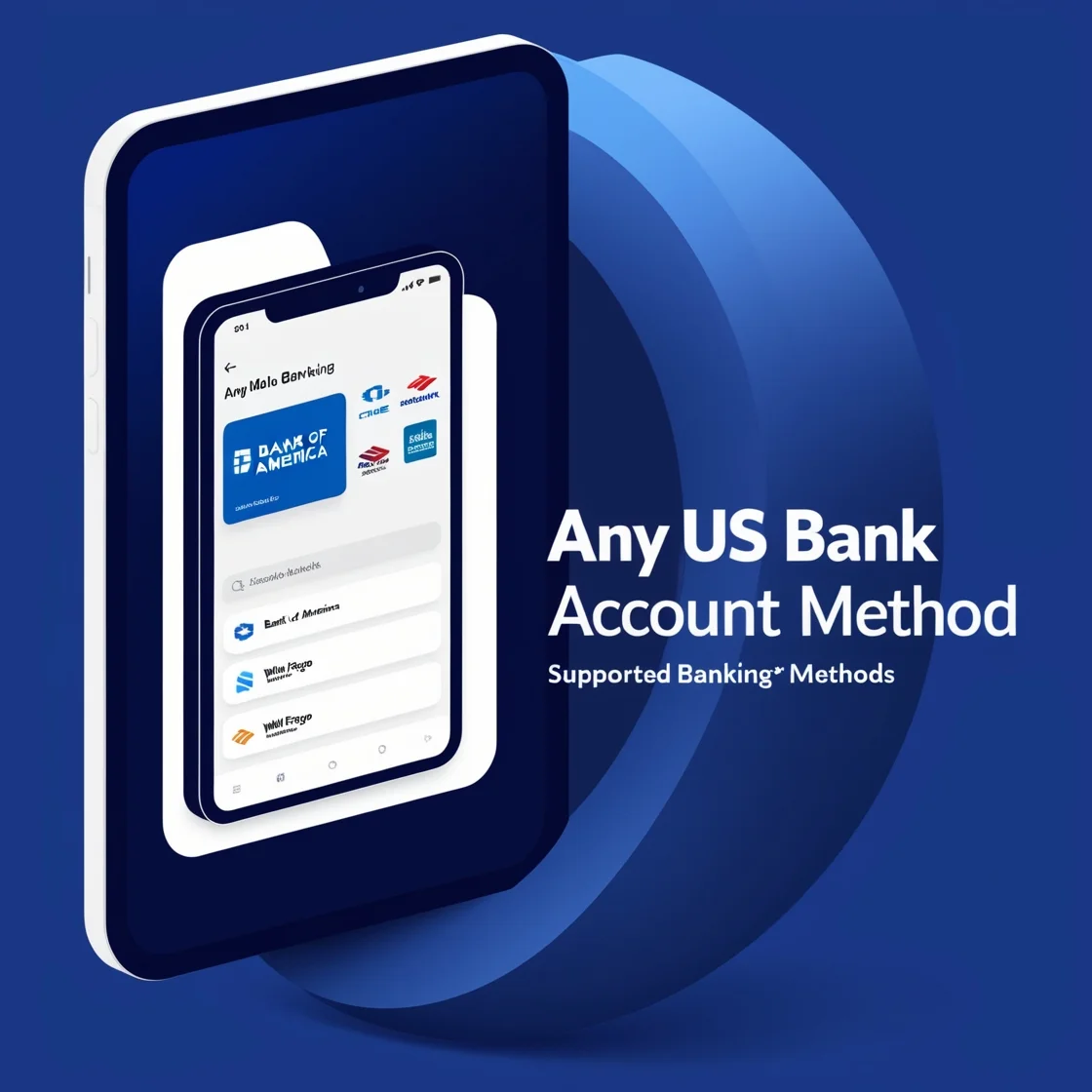
🇺🇸 How to Apply for a U.S. Bank Account – A Complete Step-by-Step Guide
Looking to open a U.S. bank account? Whether you’re a citizen, resident, or international visitor, this comprehensive guide will walk you through the full process — from choosing the right bank to submitting your documents and gaining access to secure, efficient financial services.
🌟 Why Open a U.S. Bank Account?
A U.S. bank account is more than just a place to store money. It offers:
-
Secure Transactions: Your funds are protected under FDIC insurance and advanced security measures.
-
Build U.S. Credit History: Essential for future loans, rentals, or credit card access.
-
Easy International Transfers: Fast, cost-effective money transfers — ideal for business and personal use.
Whether you travel frequently, run a business, or plan to move to the U.S., having a U.S. bank account streamlines your financial life.
🏦 Types of U.S. Bank Accounts
Choose the account that fits your financial needs:
-
Checking Account: For everyday transactions, bills, debit card use, and direct deposits.
-
Savings Account: Earn interest while saving money; withdrawal limits usually apply.
-
Certificate of Deposit (CD): Higher interest rates in exchange for fixed-term deposits.
📋 What Documents Do You Need?
✅ For U.S. Citizens & Residents:
-
Government-issued ID (Driver’s License or Passport)
-
Social Security Number (SSN)
-
Proof of U.S. address (utility bill, lease, etc.)
🌍 For Non-U.S. Residents:
⚠️ Not all banks support non-resident applications — always check eligibility first.
📝 How to Apply for a U.S. Bank Account – Step-by-Step
-
Research Banks
Compare fees, services, and residency requirements across banks.
-
Collect Required Documents
Have all ID and tax documentation ready (SSN or ITIN).
-
Choose Account Type
Decide based on your needs: checking, savings, or CD.
-
Apply Online or In-Branch
Residents often apply online. Non-residents may need to visit a branch.
-
Deposit Initial Funds
Most banks require a small deposit ($25–$100).
-
Activate Online Banking
Once approved, you’ll receive login details for online access and mobile banking.
🌐 Applying as a Non-Resident
Some U.S. banks are known for accepting non-resident applications:
-
Wells Fargo – Great in-person support and flexible account types
-
Citibank – International-friendly and globally recognized
-
HSBC – Tailored for global customers and non-residents
-
Bank of America – Extensive support with low minimum deposits
-
Chase Bank – Offers robust mobile banking and global ATM access
🔑 Tips for Non-Residents:
-
Get an ITIN if you don’t have an SSN
-
Be prepared for in-branch applications
-
Bring translated and notarized documents if needed
✅ Final Thoughts
Opening a U.S. bank account is a valuable financial step — whether for travel, study, business, or relocation. With proper preparation and this guide, you can apply smoothly and start enjoying the full benefits of U.S. banking.
🔖 Hashtags:
#USBankAccountGuide #OpenBankAccountUSA #NonResidentBanking #USABankingTips #DigitalBanking #InternationalBanking #OpenAccountOnline #USFinanceGuide #BankingForForeigners #StepByStepBanking #HSBC #ChaseBank #Citibank #SecureBankingUSA







Reviews
There are no reviews yet